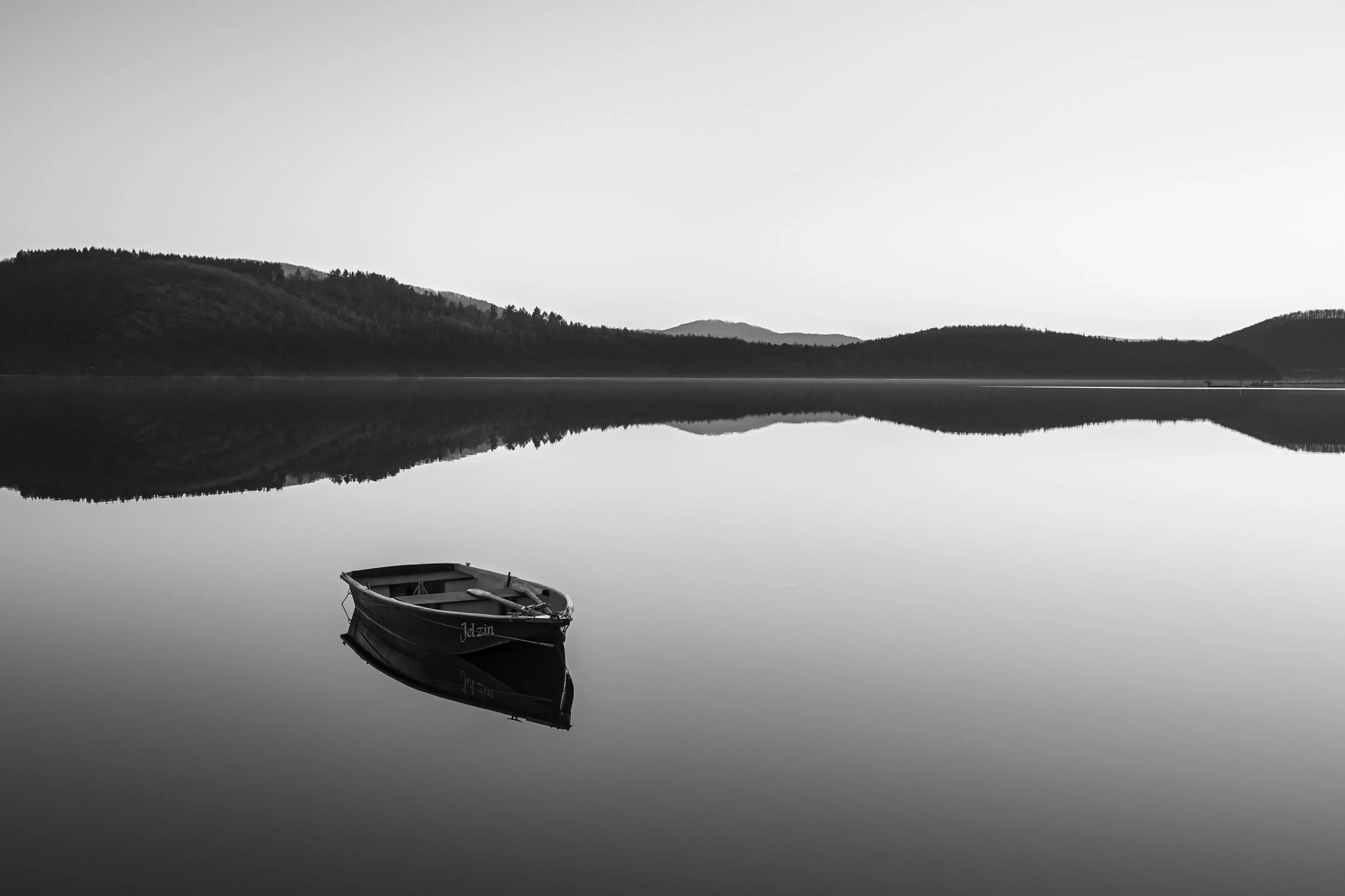
“Have you ever thought about nothing? Just give it a deep thought and see where you will end up…”
Have you ever thought about nothing? The thought sounds like an oxymoron in itself, perhaps an invitation to embark on a philosophical journey, challenging our minds to contemplate the concept of nothingness. In a world inundated with incessant stimuli and the relentless pursuit of meaning, the exploration of nothingness offers a unique avenue for introspection and self-discovery.
This idea here is to encourage delving into the depths of nothingness, examining its philosophical implications, its role in human consciousness, and the potential insights it can unveil.
Assuming there is such a thing as nothing!! Nothingness, in its purest form, represents the absence of existence, devoid of substance, qualities, or attributes. Philosophically, it transcends the mere absence of physical entities and delves into the realm of existential void.
As we ponder this concept, we confront questions that challenge our fundamental understanding of reality. What does it mean to truly think about nothing, and can such a state exist within the confines of human consciousness? Delving into the concept of nothingness reveals an inherent paradox. Can we genuinely think about nothing without engaging in some form of mental activity? Or is the real thinking about nothing means not thinking about anything at all?
The act of contemplating nothingness itself becomes a paradoxical endeavour, as the very act of thinking about nothing introduces a thought into the void. This paradox underscores the intricacies of human cognition and the limitations of our ability to grasp absolute nothingness. Do we or can we actually exist without a thought of some sort? Perhaps our existence is nothing but a thought.
What are we if we had nothing to think about? Contemplating nothingness serves as a powerful catalyst for existential reflection. In a time driven by the pursuit of meaning and purpose, the exploration of nothingness invites individuals to question the nature of their existence.
By confronting the void, one may unravel layers of assumptions, beliefs, and attachments that shape their identity. This introspective process allows for a re-evaluation of priorities, fostering a deeper understanding of the self and one's place in the vast tapestry of existence.
Paradoxically, nothingness can serve as a wellspring of creativity. In the absence of preconceived notions and mental clutter, the mind finds a fertile ground for innovative thinking. Artists, writers, and thinkers often draw inspiration from moments of emptiness, allowing their creativity to flow unrestricted by conventional boundaries. Embracing nothingness becomes a gateway to unlocking novel ideas and perspectives. The quote is an invitation to contemplate nothingness beckons us to explore the uncharted territories of our consciousness.
An invitation to explore true self and true identify away from pre-existing concepts, ideas, beliefs and dogmas. As we navigate the paradoxes and complexities inherent in this philosophical inquiry, we discover that nothingness is not a void to be feared but a canvas upon which the colours of self-discovery and creativity can be painted.
In seeking to understand nothing, we may uncover unexpected truths about existence itself — and come closer to understanding the quiet architecture of our own minds.